INSIGHTS FROM OUR BREAKFAST ROUNDTABLE
AI for Revenue Generation
Turn better tools into better selling
3 min read
AI adoption is not the same as revenue growth. Commercial teams can generate more research, automate more admin and still see little change in sales performance. The test is whether those capabilities change how people sell and how customers buy.
The practical message: fix the foundations, focus the use cases, and put the capacity you create back into selling.
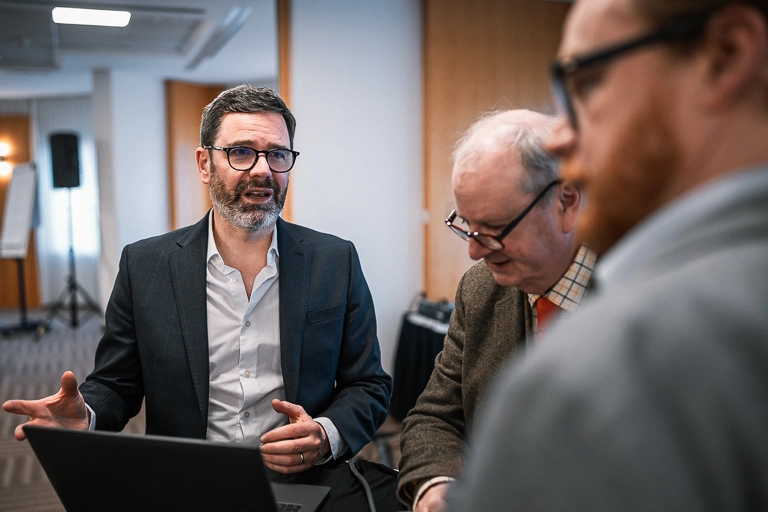
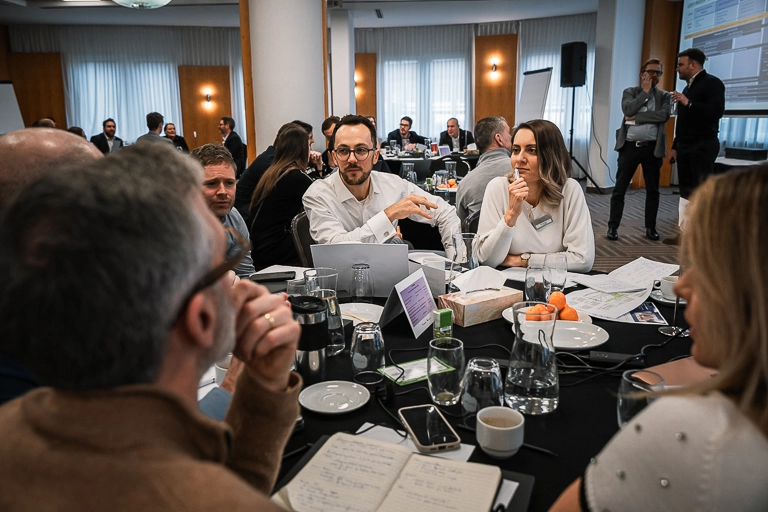
That challenge ran through in our AI for Revenue Generation breakfast, hosted by Stuart Lotherington, Managing Director at SBR Consulting; Rory Brown, CCO at Kluster; and Tanja Mitchell, CEO at RevQore.
Start with a commercial problem, not another agent
The constraint was not enthusiasm, but prioritisation: participants described proliferating tools and agents without a clear strategy linking them to commercial outcomes.
One attendee put the decision in the right order:
“What’s the problem? Is AI the solution?”
Account research and tiering emerged as promising starting points, not guaranteed returns. Choose a specific bottleneck, such as poor account prioritisation, then define the behaviour and result you want to change. Sometimes the answer is simpler automation or a better process.
Do: Give each use case an owner, a baseline and a success measure.
Don’t: Treat the number of agents built as evidence of progress.
Give AI a reliable customer picture
One delegate shared that only 5% of their relevant data reportedly sat in the CRM. AI-generated insights from that narrow view worried account managers rather than helping them.
Connecting call intelligence and support-ticket data, then cross-checking sources, improved reliability in that example. Cross-checking is a control, not a guarantee against hallucinations. CRM clean-up continued alongside the rollout.
The lesson is practical: before trusting an account recommendation, establish which information it uses, what is missing and how someone can check it. Matching customer identifiers across product, CRM and billing systems was another prerequisite discussed.
Do: Agree customer identifiers, sales-stage definitions and the checks required before acting.
Don’t: Assume a conversational or “headless” CRM interface removes the need for clean records and stable definitions.
Design for the moment someone sells
A comprehensive account report has no value if the salesperson never reads it. Participants recognised that risk: AI can move the research burden without improving preparation.
Morning account digests and call intelligence offered more useful examples, bringing timely changes and buying themes into the working day. The next step is to turn information into action: which account needs attention, what question should the rep ask and what should happen next?
Adoption needs leadership ownership, focused use cases and training, not an open-ended invitation to experiment.
Do: Embed a short briefing in meeting preparation, then coach the rep on applying it.
Don’t: Mistake access to a tool, or enthusiastic feedback, for changed selling behaviour.
Measure commercial progress, not just minutes saved
A CFO challenge shared at the event captured the standard:
“Don’t tell me you’re saving two hours. Tell me how you grow revenue.”
One participant reported compressing pricing-strategy work from 4 to 5 weeks into 3 days. That is an efficiency result, not proof of additional revenue. The same distinction applies to faster research or onboarding.
Use three separate measures:
- Capacity: time released and how it is reinvested.
- Leading indicators: qualified pipeline, conversion rates and sales-cycle time.
- Commercial outcomes: closed revenue and retention.
Set a baseline and review comparable periods or teams, accounting for differences in accounts and market conditions. If usage rises but outcomes do not, investigate whether the output is accurate, adopted and changing the right behaviour. Time saved is useful; time saved alone is not revenue.
Reinvest capacity in human connection
Another delegate highlighted where that capacity should go:
“While the efficiency gains of AI are undeniable, the emphasis on using that saved time to double-down on human relationships to deepen sales effectiveness really stood out”
For commercial leaders, that means more purposeful customer contact, better listening and stronger judgement. Use call intelligence to coach discovery and preparation, not to outsource understanding. Automated notes should support a rep’s grasp of the customer, not replace it.
AI can support complex selling. Teams still need to develop the skills to understand stakeholders, connect needs to outcomes and earn trust.
The priorities are straightforward:
- Fix the data before scaling recommendations.
- Prove one focused use case before adding more.
- Measure selling behaviour and commercial outcomes, not activity alone.
- Put released capacity into better customer conversations and service.
Let’s talk AI and revenue growth
If you are deciding where AI can improve commercial performance, connect with our hosts to discuss sales effectiveness, forecasting and revenue operations.